Lost machine
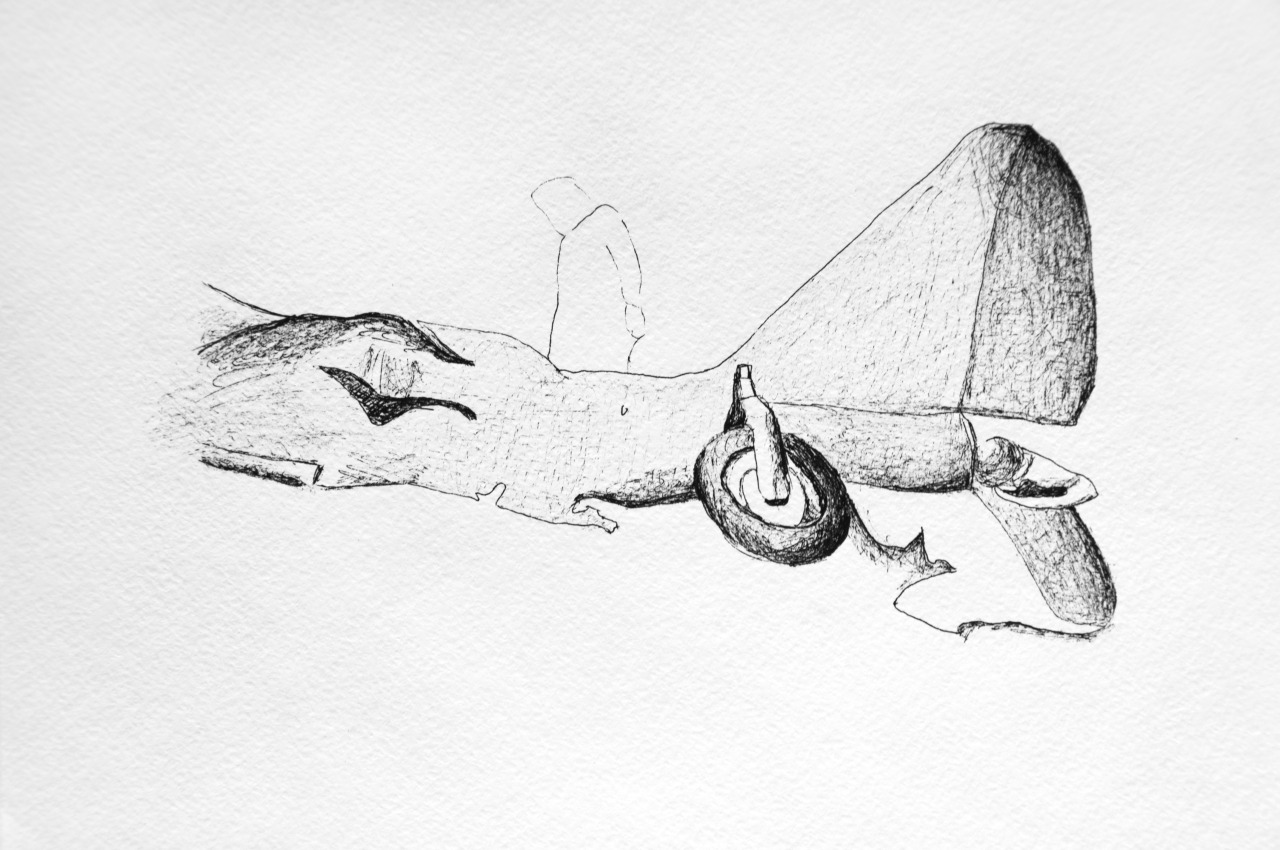
She Got Lost / Lost Machine was one of the first works in my practice in which I began to reflect on military discourse, the language of propaganda, and the strange ability of militarised objects to seemingly disappear from the zone of responsibility of those who produce, launch, and use them.
The project emerged in 2014 during a residency in Skövde, Sweden, against the backdrop of news about the search for a presumed Russian submarine in Swedish waters and the almost absurd media reports about possible Russian spies who might have escaped from that submarine. This story overlapped with the broader language of Putin’s propaganda, in which military equipment and military catastrophes were described through evasive, depersonalising formulas. First, the submarine Kursk “sank”; later, other military equipment began to get “lost” on the territories of other states.
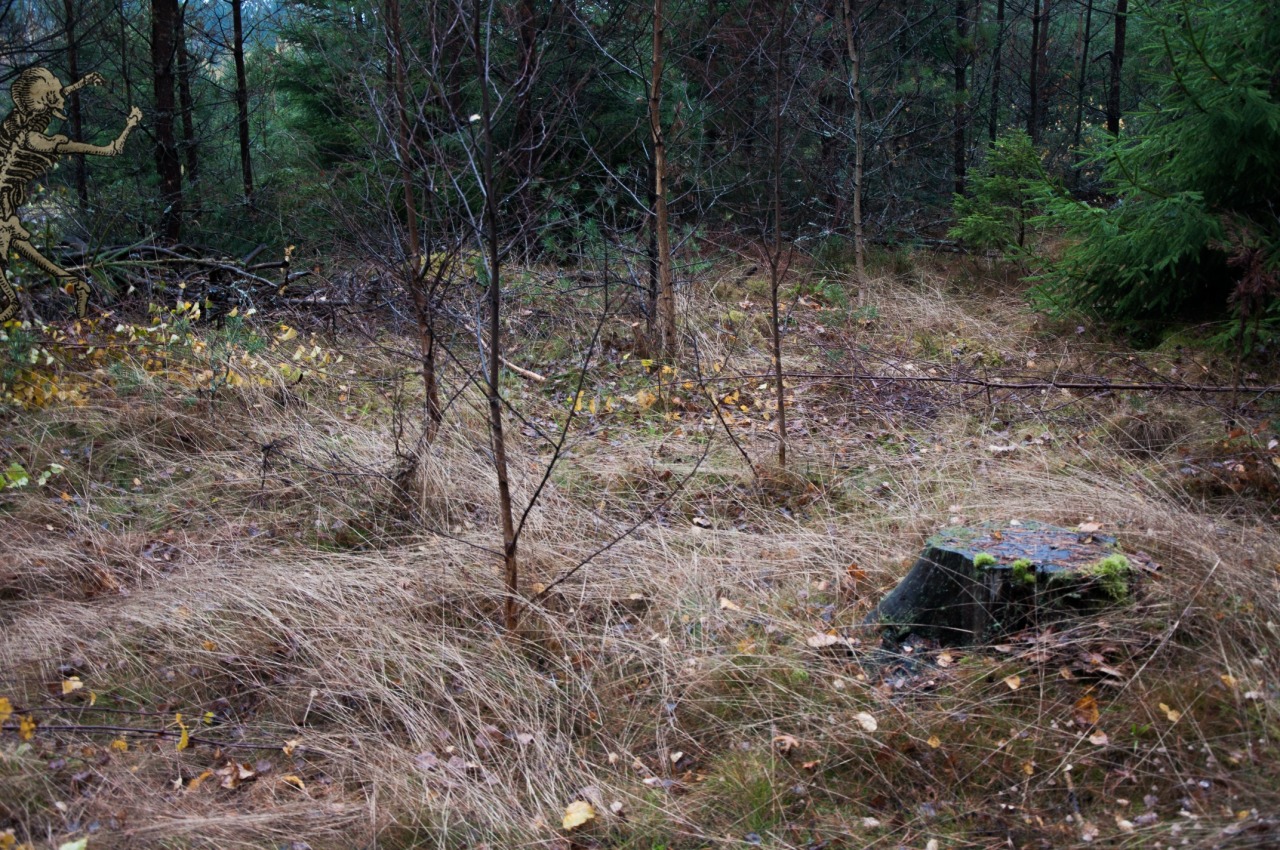
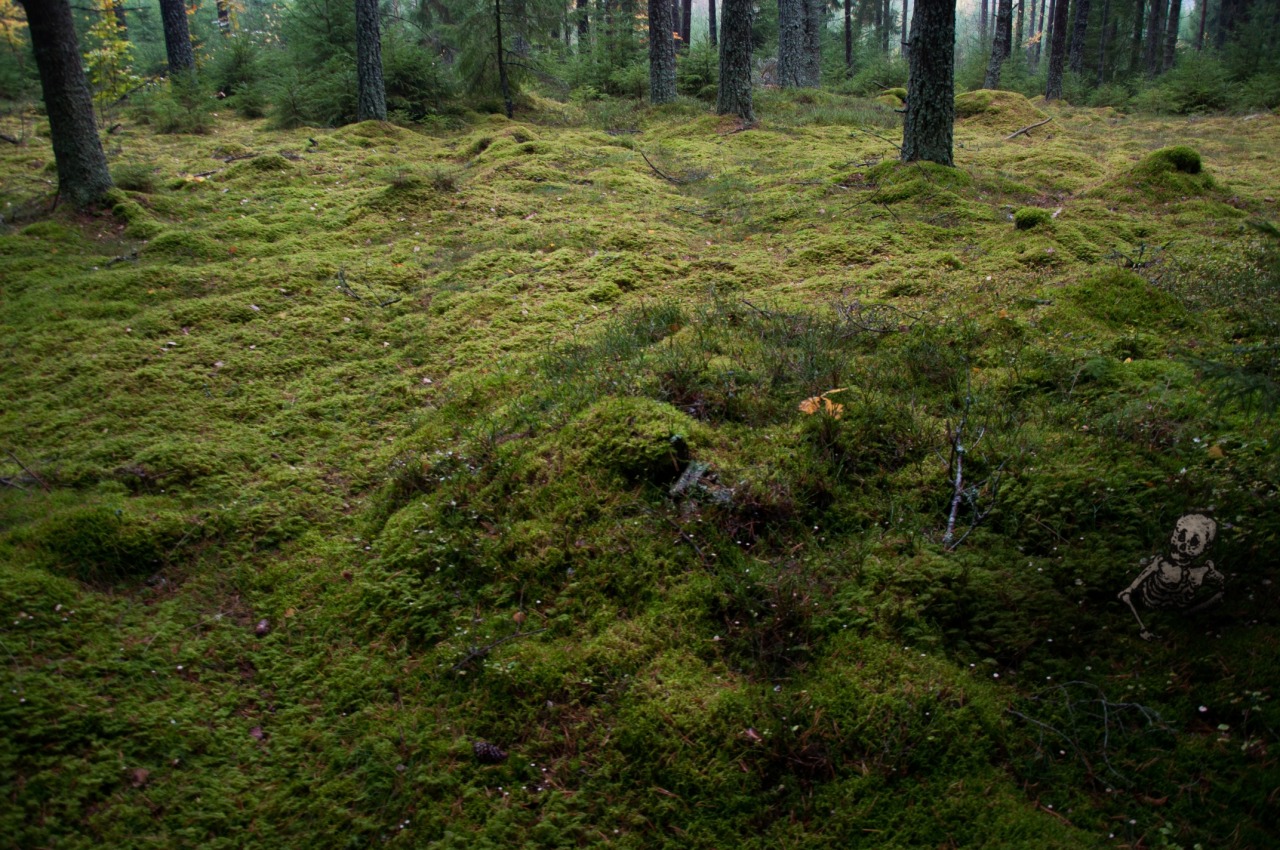
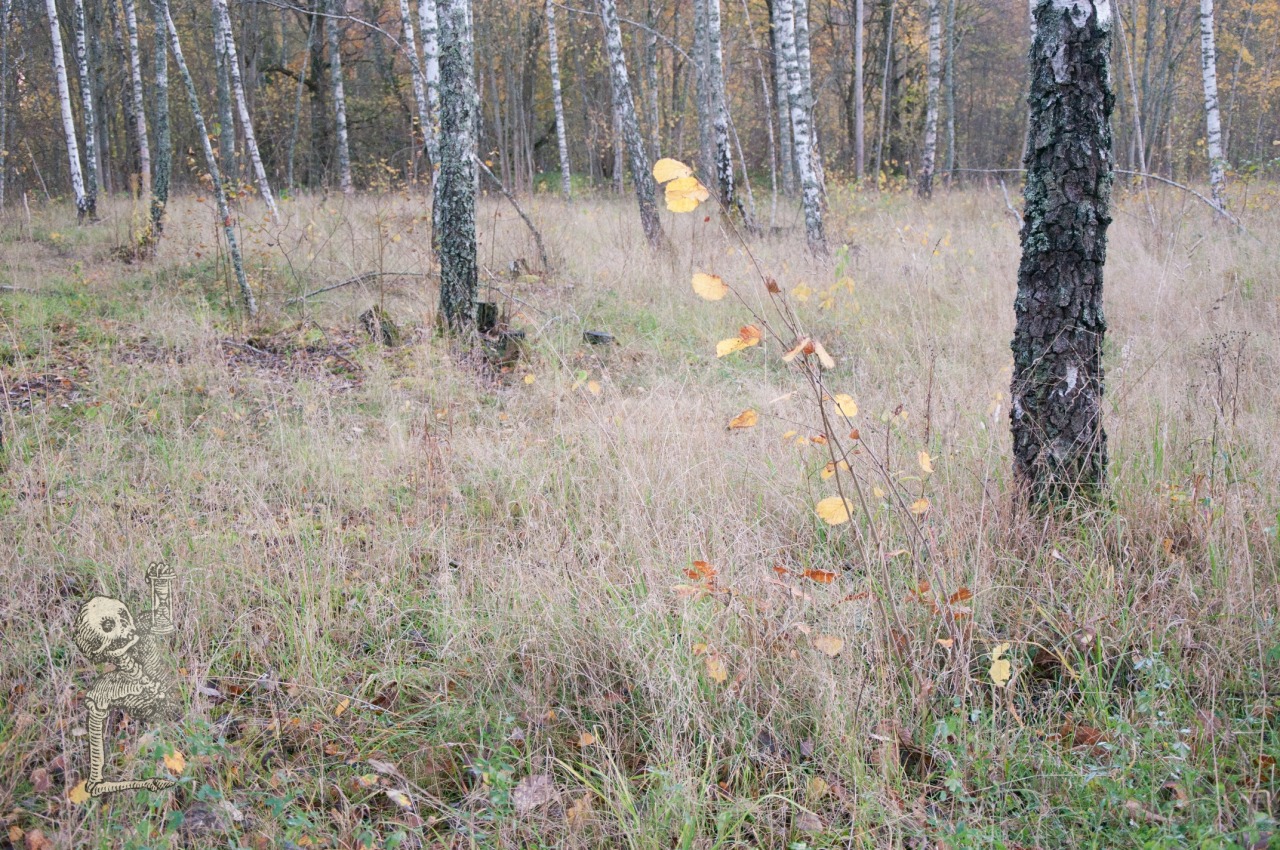
Phusis. Part of “Lost machine” project. Collage, digital processing, printing. 2014-2015
It was precisely this formula — she got lost — that became the starting point of the project. It contains a bureaucratic removal of responsibility and, at the same time, a strange, almost fairy-tale intonation: a tank, an aircraft, a weapon, or a submarine seems able to get lost by itself, like a living being. I took this propagandistic slip literally and imagined military machines that really do disappear: they leave the system, refuse their murderous function, hide in the landscape, rust, become overgrown, and gradually die.
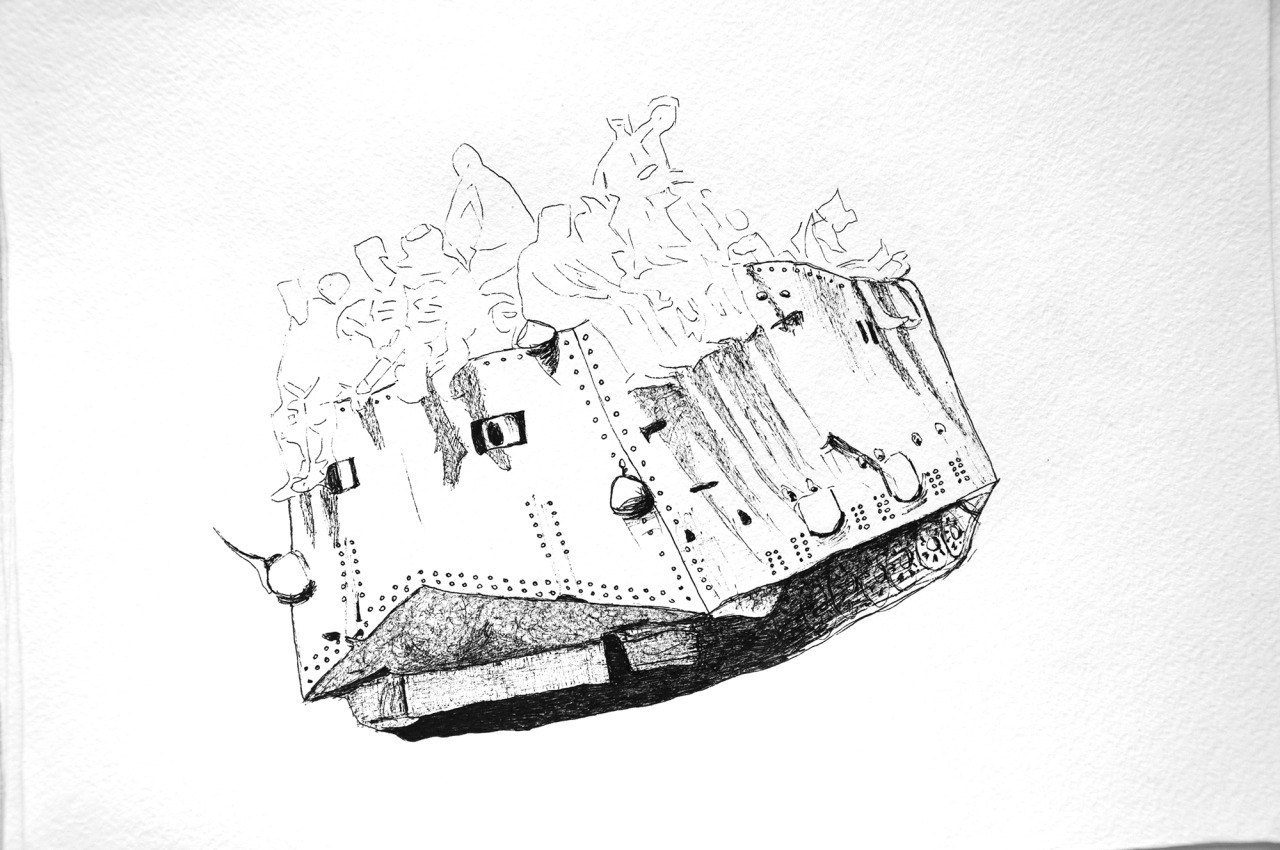
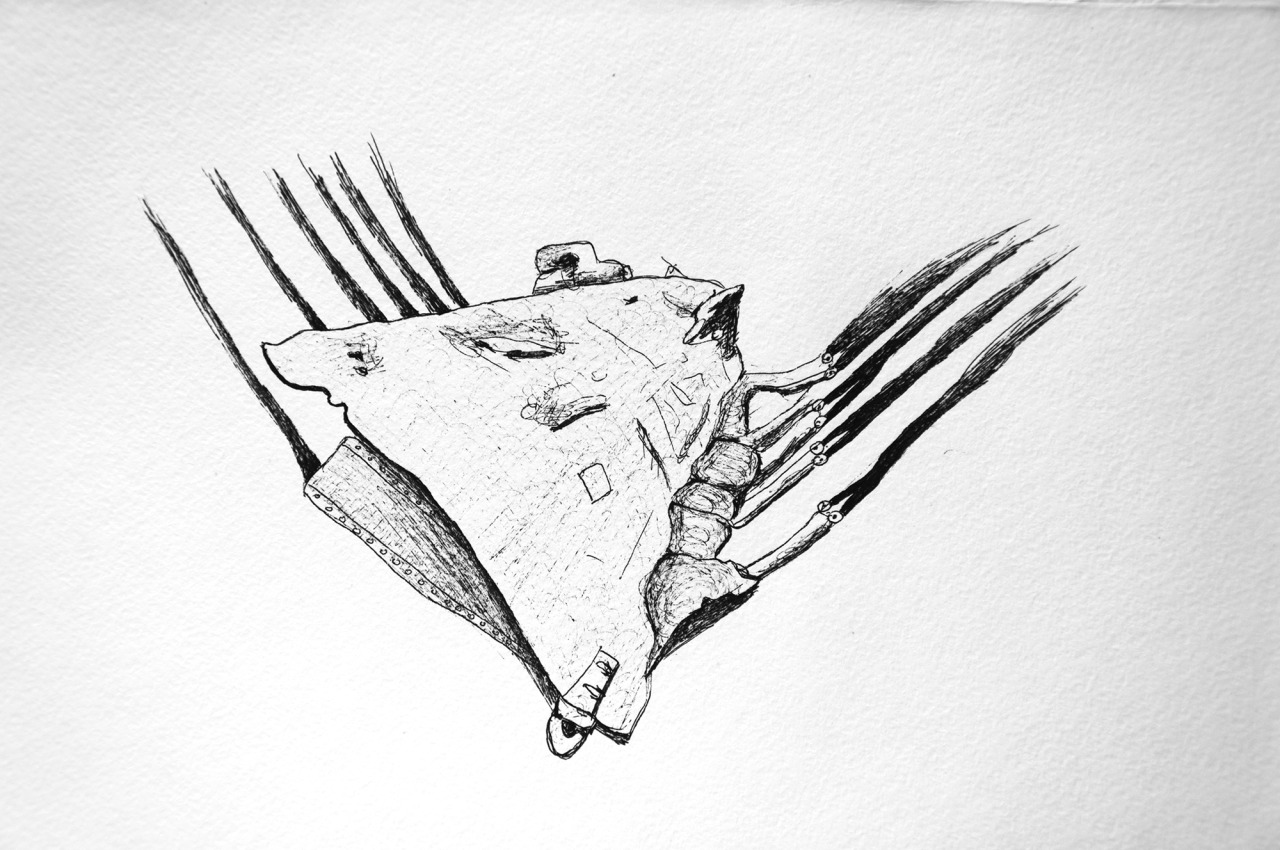
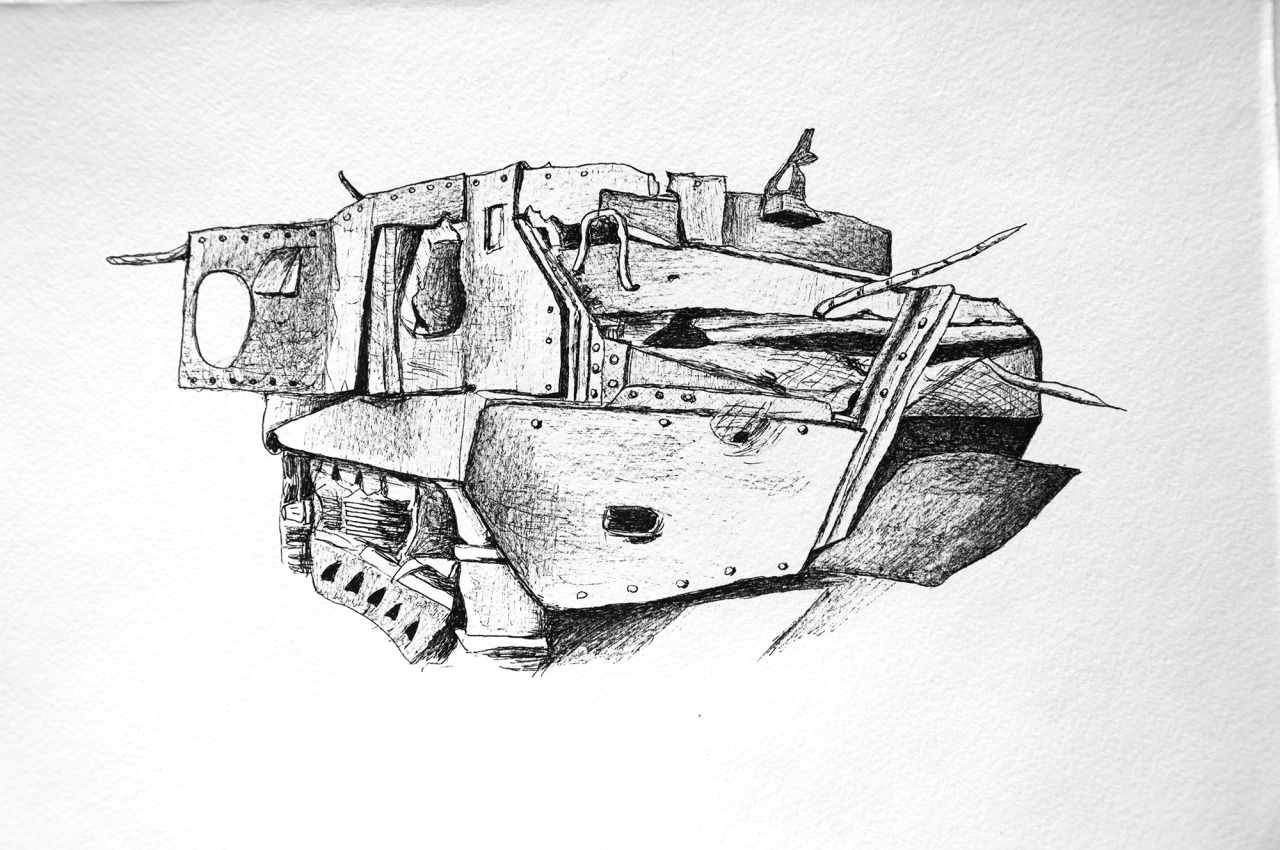
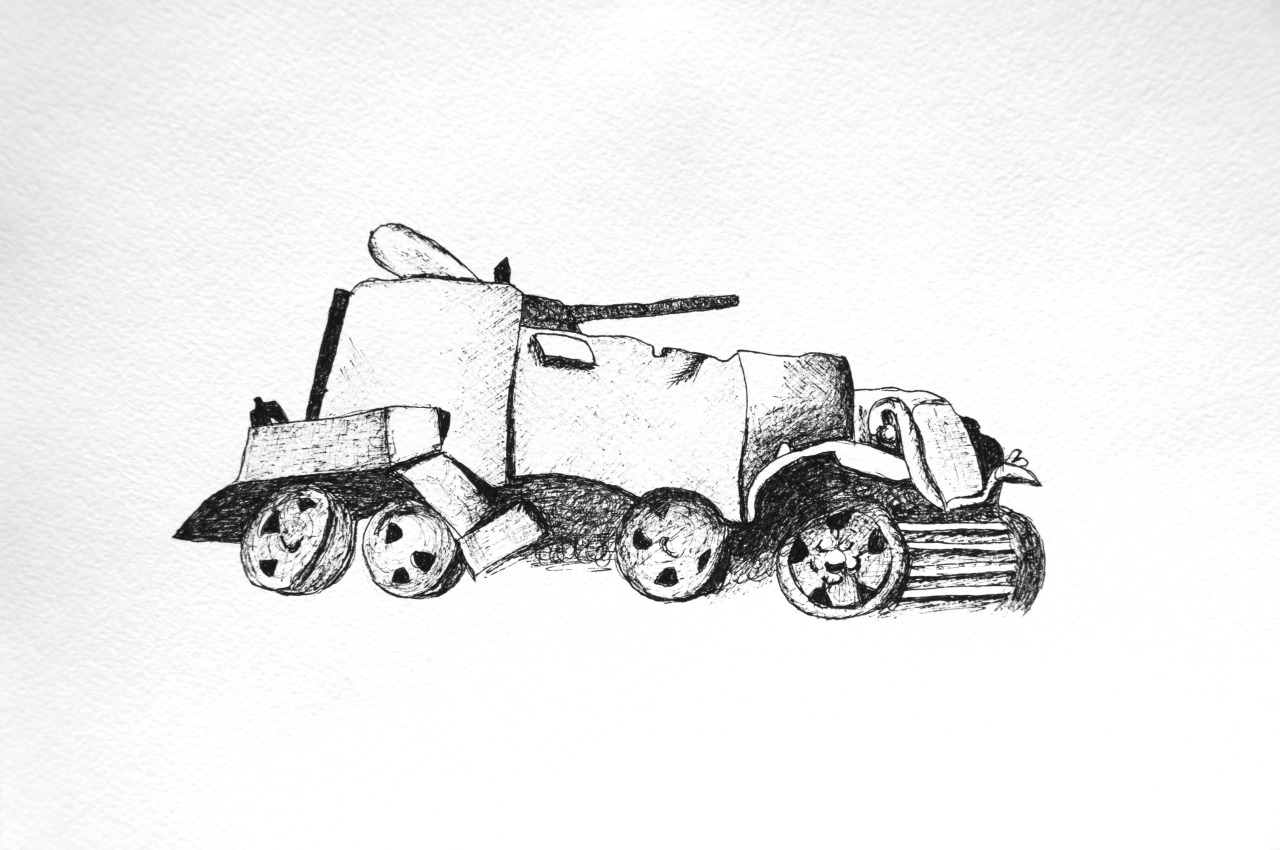
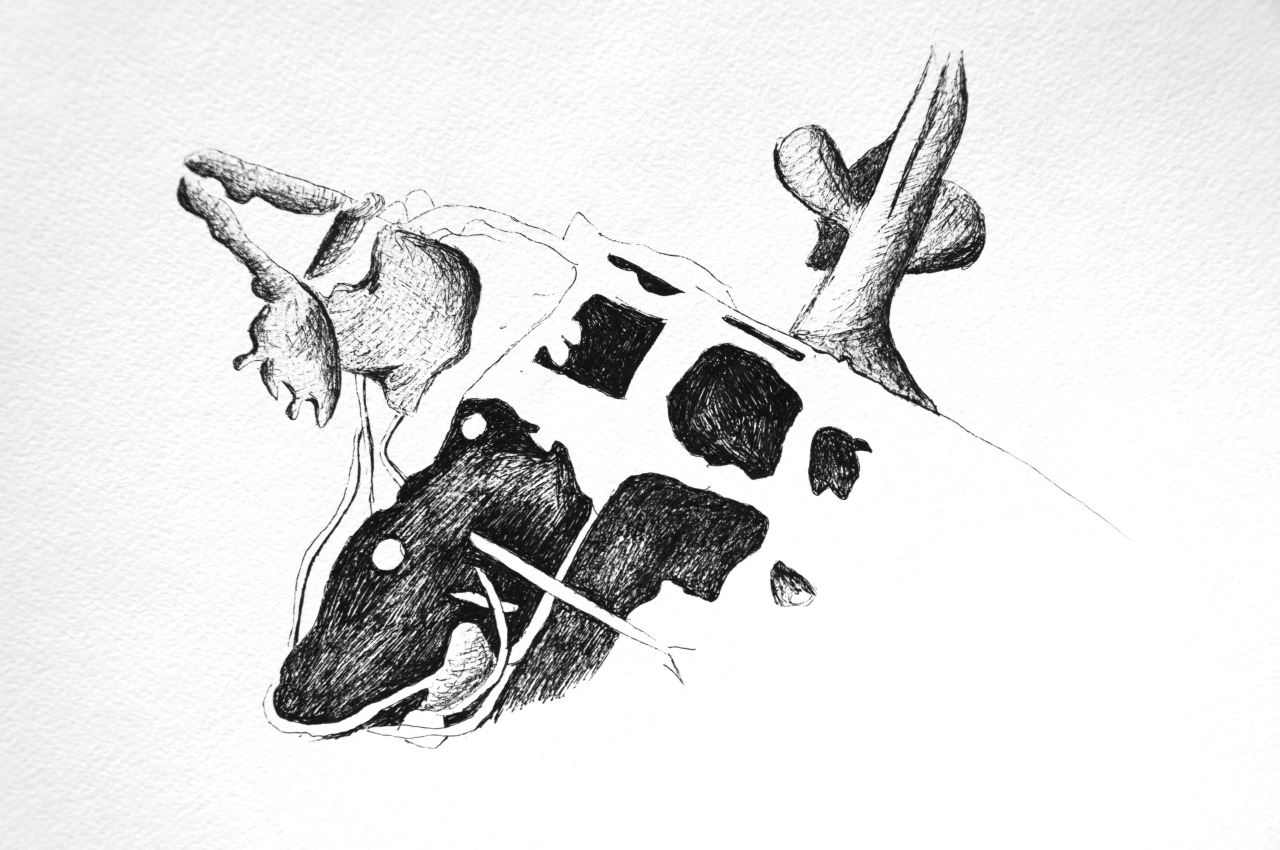
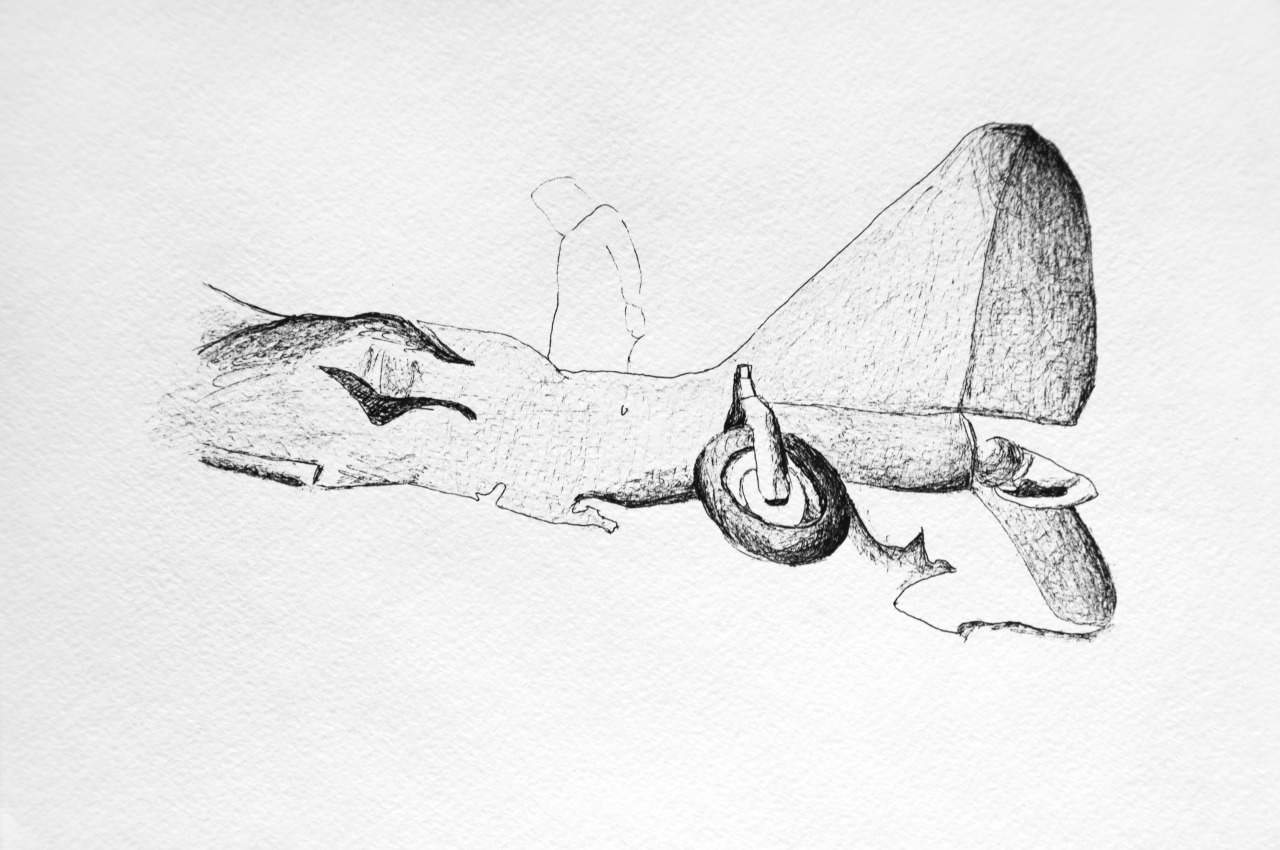
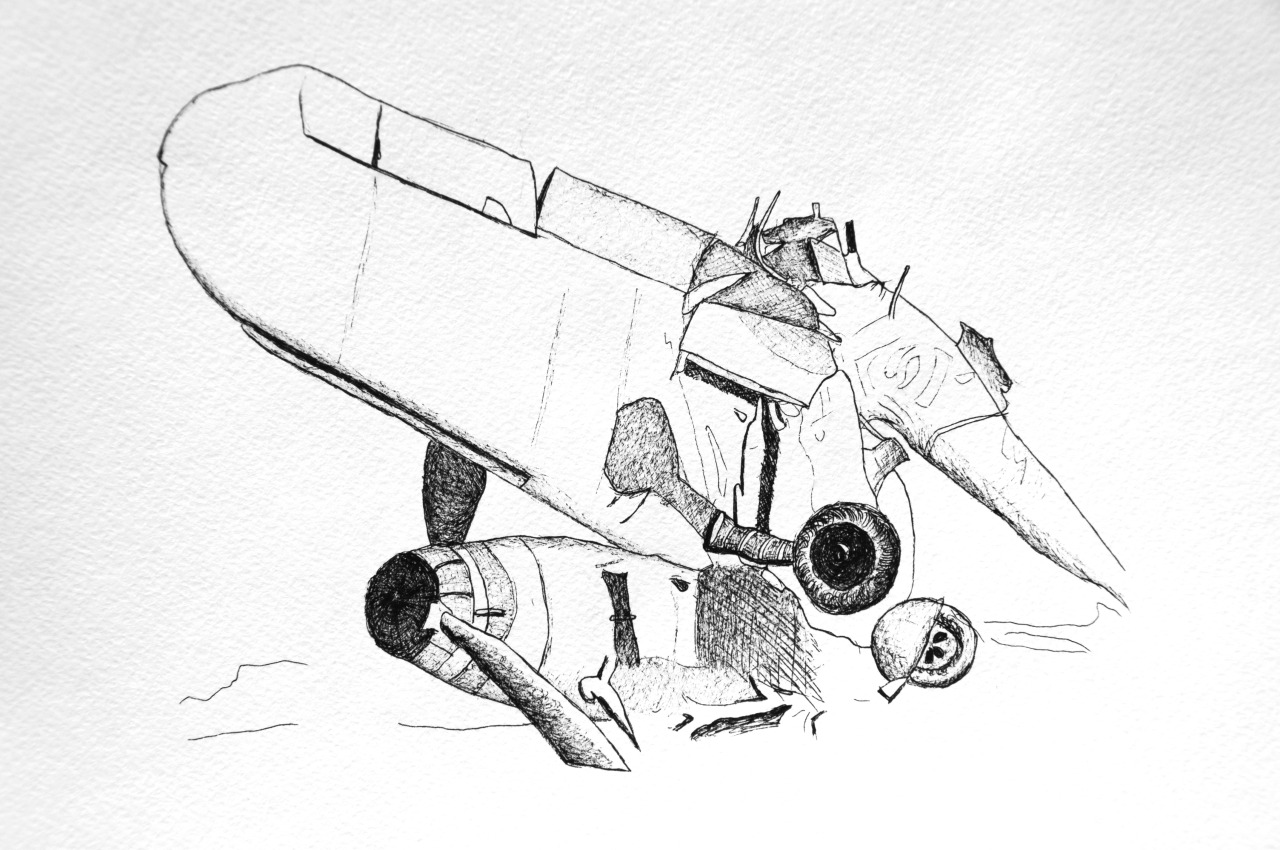
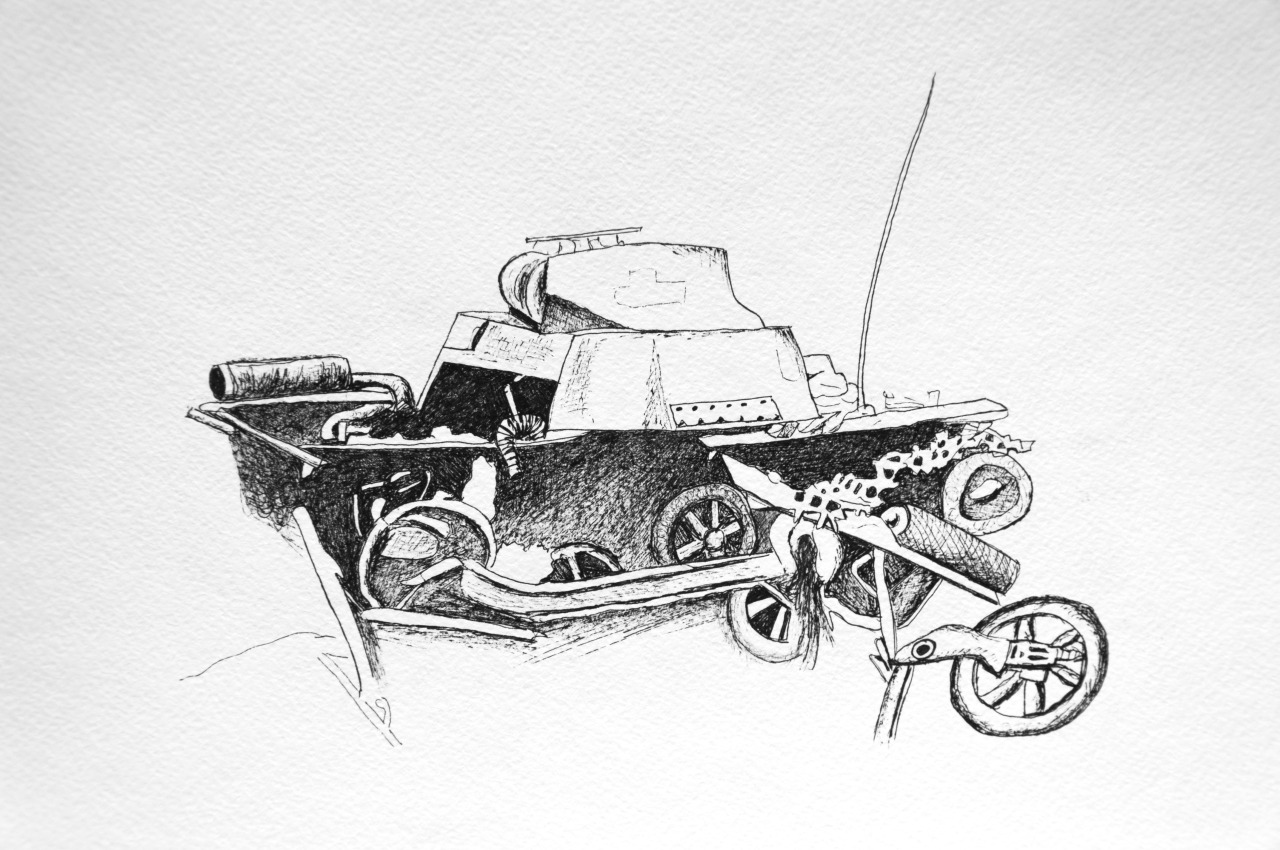
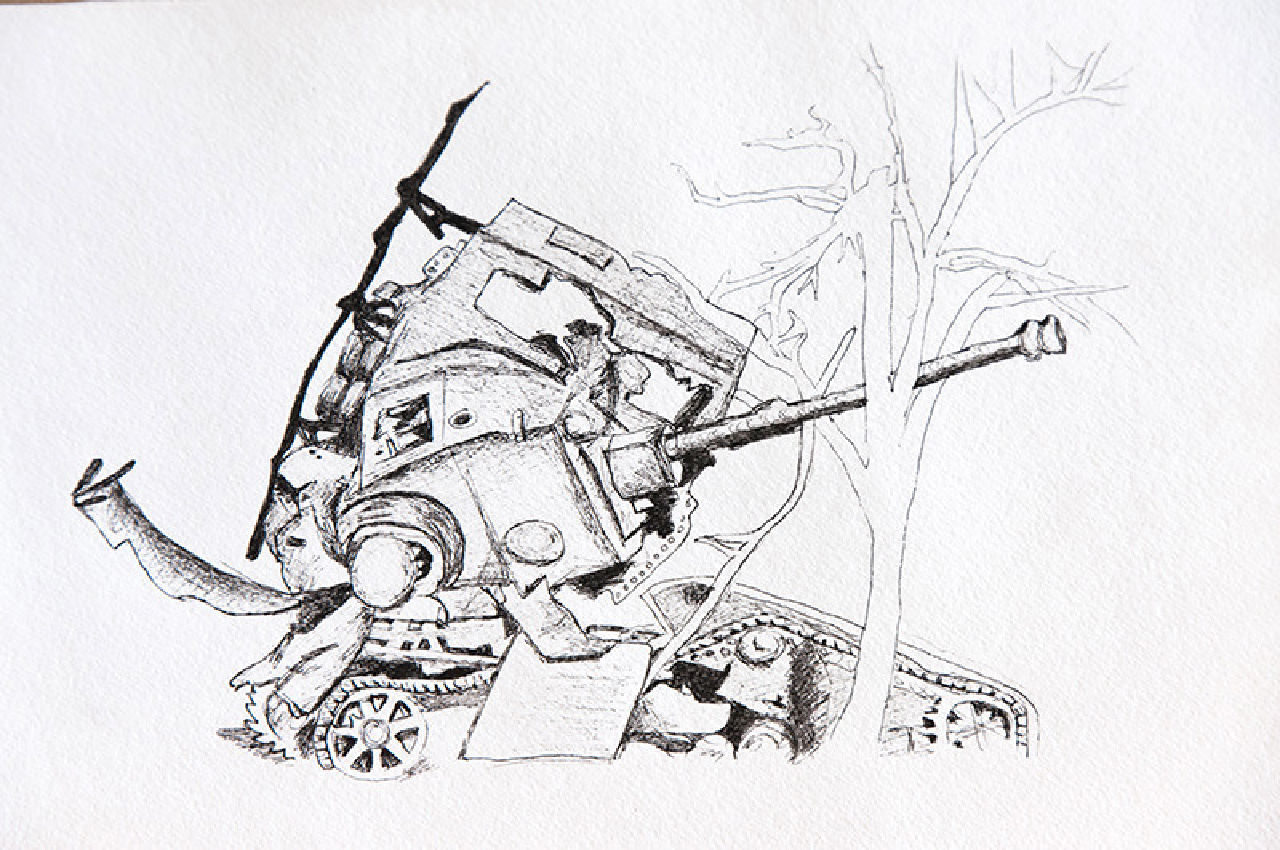
Techne. Part of “Lost machine” project. 21х29 cm. Gel pen, watercolour paper. 2014-2015
In the project, the military machine acquires its own subjectivity. It is no longer simply an instrument of violence, but a being that has been embedded in a mechanism of coercion and is now trying to escape it. The machine here is both dangerous and vulnerable: it was created to kill, but it is itself captured by the logic of command, ideology, infrastructure, and war. The loss of function becomes not a breakdown, but a form of refusal.
At first, the project developed through drawings, photographs, and mapping. In 2015, She Got Lost / Lost Machine was presented as a solo exhibition at the START platform of the Winzavod Centre for Contemporary Art in Moscow. In the same year, drawings from the project were shown in Cologne in the exhibition Phone Calls from the Cemetery and Other Stories at the Academy of the Arts of the World, as part of PLURIVERSALE III. Later, this line entered the exhibition Easy, where military machinery became the first part of a movement from earth and catastrophe to the dead bodies of Battle Scenes, and then to the paper beds of the series Bodies.
Later, She Got Lost became the foundation from which other parts of the larger project grew. If in Lost Machine military equipment takes on the image of a tired, fugitive, almost living body, then Battle Scenes turns toward the bodies that remain after the machine has done its work. The transition between these series is not illustrative, but ethical: from a weapon that wants to stop to the dead who cannot leave the battlefield; from a destroyed mechanism to human bodies absorbed into mass historical death.
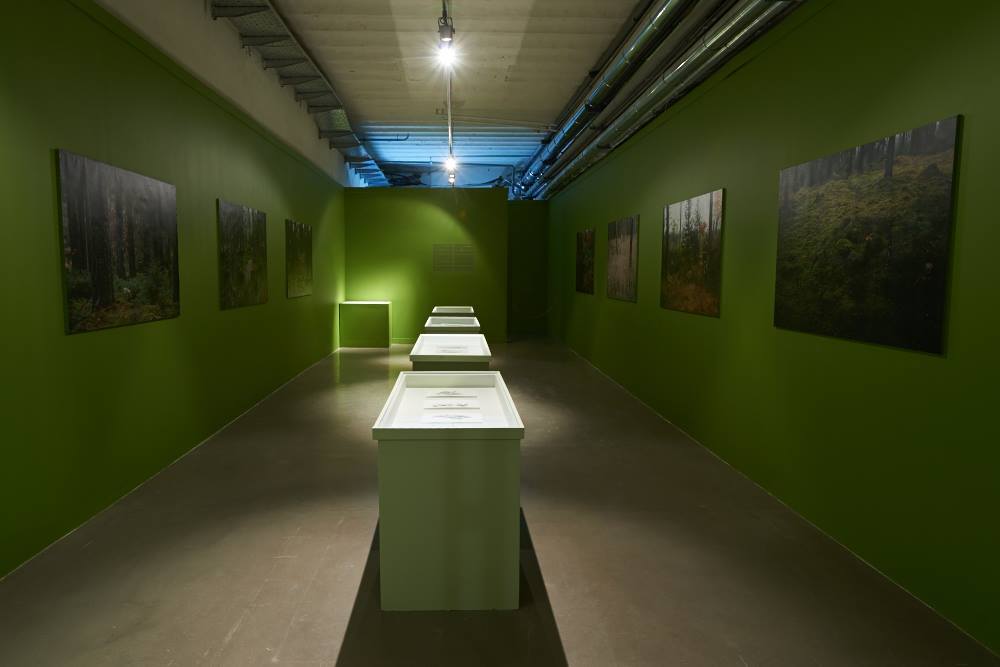
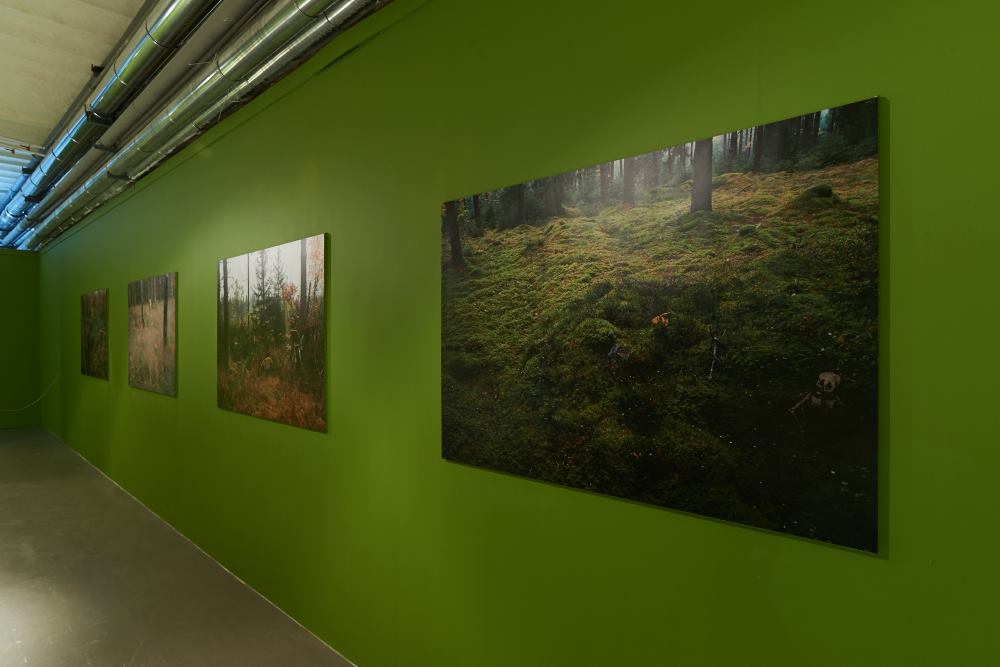
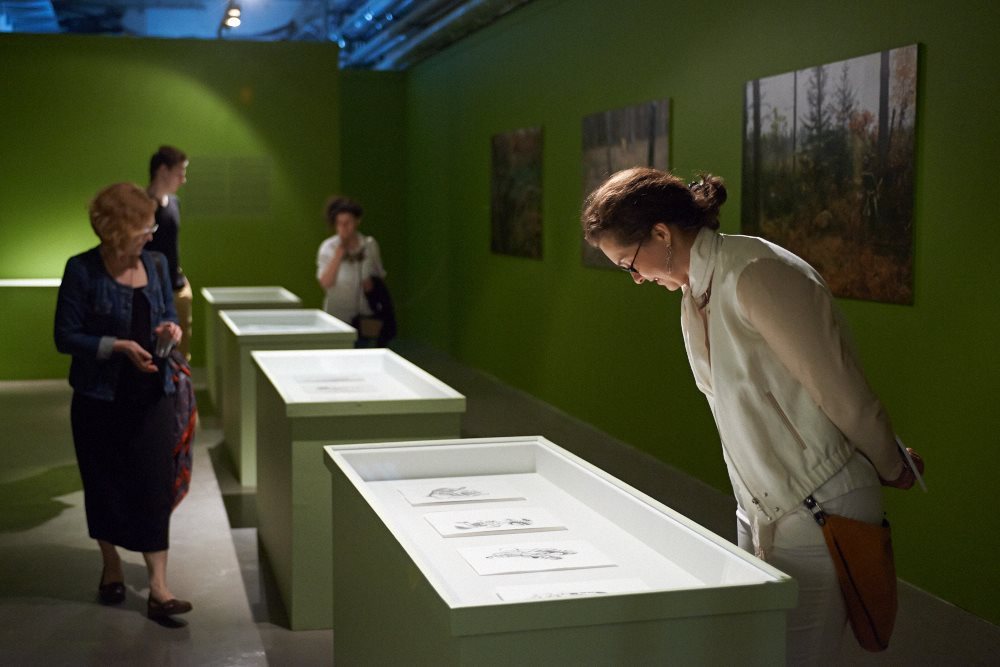
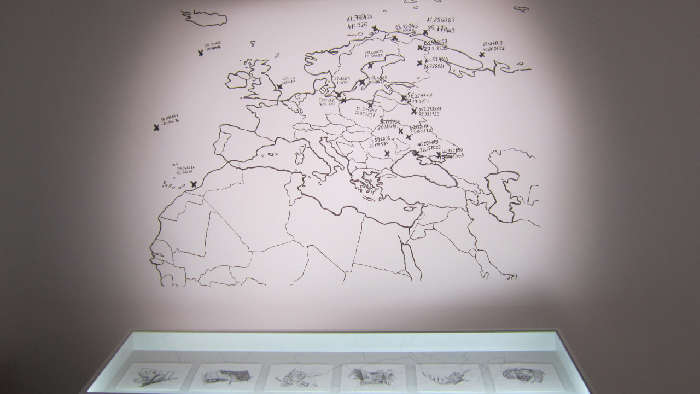
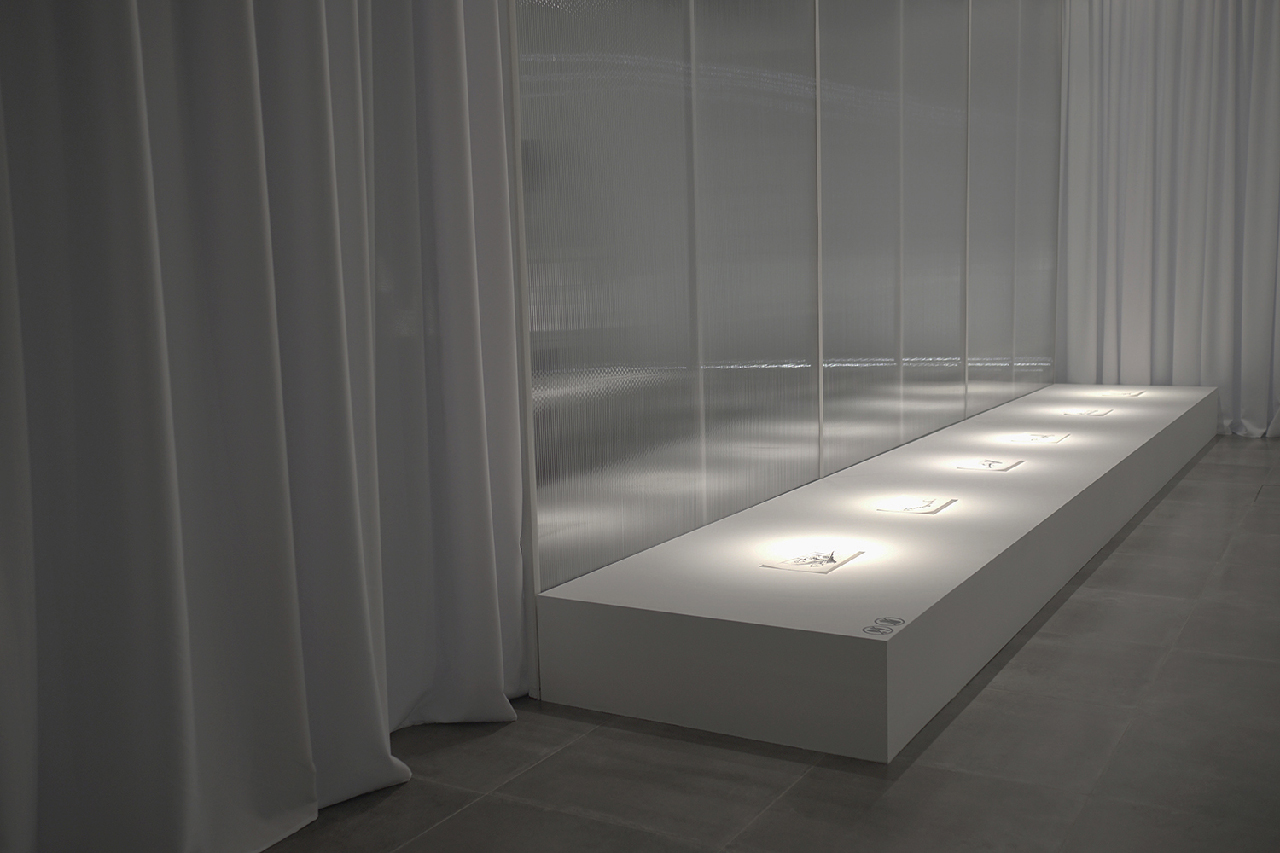
This line continued in the exhibition Easy, where the project was structured as a movement through earth, clouds, and sky. The first part returned to military machinery and catastrophe; the following parts moved toward the dead bodies of Battle Scenes, and then to the small papier-mâché beds in the series Bodies. In this sequence, She Got Lost becomes the beginning of a longer process: first the machine loses its function, then the battlefield reveals the dead, and finally each body is given a fragile, individual place of rest.
In retrospect, She Got Lost is the first refusal within the project. It imagines the possibility that a military machine can break down from within: not heroically, but through fatigue, disappearance, malfunction, softness, and decay. The later works do not undo the violence that has already taken place. They follow its remains: broken machines, battlefields, anonymous bodies, suspended drawings, paper beds, and temporary shelters for the dead. Together, these parts form a cycle about historical violence and the fragile possibility of care after it.
Related exhibitions
She Got Lost / Lost Machine. Solo exhibition, curated by Ivan Isaev. START platform, Winzavod Centre for Contemporary Art, Moscow, Russia, 2015.
Phone Calls from the Cemetery and Other Stories. Group exhibition curated by Ekaterina Degot, Academy of the Arts Cologne, Germany, as part of PLURIVERSALE III, 2015.
Easy / «Легко», project VZLET. Solo exhibition, curated by Sergey Popov, VDNH, Pavilion Cosmos, Moscow, Russia, 5 December 2018 – 8 January 2019.
Related texts
«Анастасия Вепрева: Я последовательно уничтожаю военные машины». Искусство, 2018. https://iskusstvo-info.ru/anastasiya-vepreva-ya-posledovatelno-unichtozhayu-voennye-mashiny/
Софронов, Егор. «Конечно, всё это про слабость». Aroundart, 21 декабря 2018. http://aroundart.org/2018/12/21/vepreva-vzlyot-slabost/
Соколов, Григорий. «Обретение нежности». К.Р.А.П.И.В.А., 4 января 2019. Рецензия на выставку Анастасии Вепревой «Легко», проект «ВЗЛЁТ», ВДНХ, Москва. Архивная копия / PDF.
Мария Атрощенко. Художница Настя Вепрева — о потерянных танках и дворцах культуры. 30.08.2016 https://region29.ru/2016/08/30/57bd38bd2817cacd4300834d.html
Publication
Vepreva Anastasia. Легко / Easy. Exhibition book published on the occasion of the solo exhibition "Easy", project «ВЗЛЁТ». Moscow, 2019. Download PDF
Video Interview
AiR Skövde 2014-15, Anastasia Vepreva. Interview. https://vimeo.com/125123208 (in English with Swedish subtitles)